Thailand Launches WORPT: Tourists Can Now Pay With Crypto via QR Code
Published
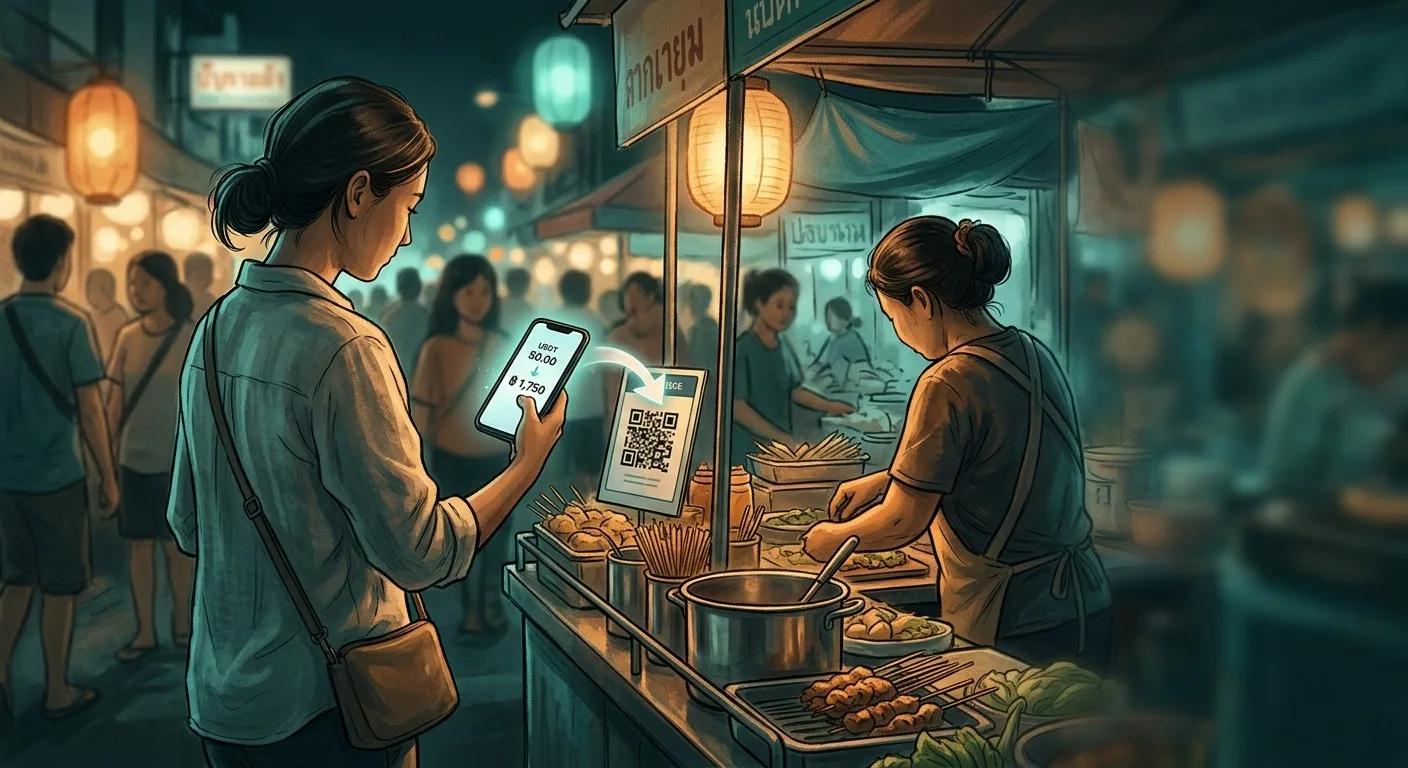
Short answer: Thailand now has an officially sanctioned way for foreign tourists to spend crypto on the ground. The app is called WORPT: convert USDT or USDC into Thai baht inside the app, then pay at restaurants, hotels and shops by scanning a standard PromptPay QR code — the same QR network every Thai merchant already uses. No Thai bank account is needed. It runs under a named regulatory sandbox overseen by Thailand's securities regulator, not as an unofficial workaround.
Who built it, and who approved it
WORPT is operated by Wipay, a Thai e-money provider, together with Waan Exchange, a digital asset exchange founded by Chaval Jiaravanon of Thailand's Chearavanont family. Thailand's Securities and Exchange Commission (SEC) approved Waan Exchange's participation on 25 September 2026, for 18 months, under a regulatory sandbox called TouristDigiPay. (BigGo Finance, 13 November 2026)
How the payment actually works
A tourist verifies their identity with both Waan Exchange and Wipay, links an external crypto wallet, and deposits USDT or USDC. Inside the app, those stablecoins convert to Thai baht, which lands in an e-wallet in the tourist's own name. To pay, the tourist scans a merchant's existing PromptPay QR code — the same QR code already accepted nationwide for ordinary baht payments. (VnExpress, 13 November 2026)
Merchants are not exposed to crypto at any point: they receive baht through the settlement channels they already use, exactly as if the customer had paid with a Thai debit card. (BigGo Finance, 13 November 2026)
The fee, and what's coming next
Early reporting puts the initial conversion fee at around 1.5% when converting stablecoins to baht. (BigGo Finance, 13 November 2026) Wipay is targeting 200,000 users in the app's first year and projects 15 billion baht in cumulative payments over the 18-month sandbox period. (BigGo Finance, 13 November 2026) A Visa prepaid card drawing from the same baht balance was planned for mid-November 2026 (physical) and early 2027 (virtual). (VnExpress, 13 November 2026)
Why this matters if your trip also includes Laos
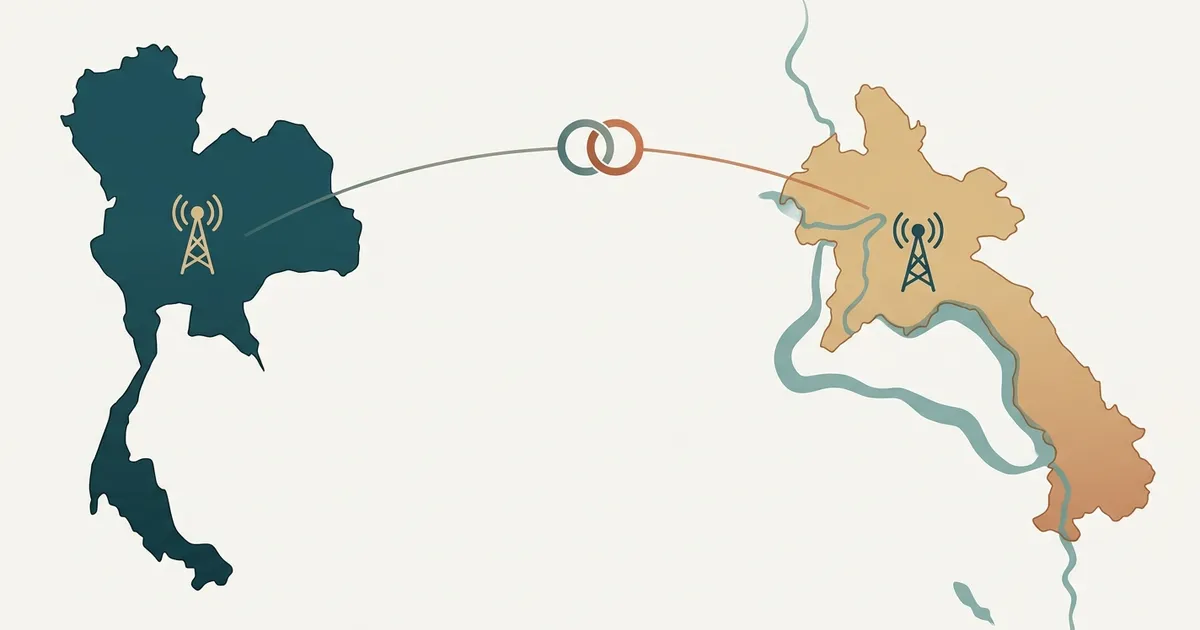
WORPT only works in Thailand — it's a Thai SEC sandbox tied to the Thai PromptPay network, not a regional system. If your route crosses into Laos, it doesn't carry over: Laos has its own, separate cross-border QR arrangements for Thai and Chinese bank cards, and a Lao data eSIM remains the practical way to get connected once you're across the border, regardless of which app you used to pay for your last meal in Bangkok or Chiang Mai. Treat WORPT as a Thailand-only convenience for travelers holding crypto, not a SE Asia-wide payment method.
Frequently asked questions
What is WORPT? +
WORPT is a payment app that lets foreign tourists in Thailand convert the stablecoins USDT and USDC into Thai baht, then pay merchants by scanning a standard PromptPay QR code. It's built by e-money provider Wipay together with Waan Exchange, a digital asset exchange founded by Chaval Jiaravanon of Thailand's Chearavanont family.
Do I need a Thai bank account to use it? +
No. Tourists link an external crypto wallet, convert their stablecoins to baht inside the app, and spend from that balance via PromptPay QR codes — no Thai bank account required. Merchants are paid in baht through existing settlement channels and never touch crypto directly.
Is this officially regulated, or is it a gray-market app? +
It's regulated. Thailand's Securities and Exchange Commission approved Waan Exchange's participation on 25 September 2026 under TouristDigiPay, an 18-month regulatory sandbox for tourist crypto payments.
What are the fees? +
Early reporting puts the initial conversion fee at around 1.5% when converting stablecoins to baht.
Which cryptocurrencies can I use? +
At launch, WORPT supports the stablecoins USDT and USDC — not volatile cryptocurrencies like Bitcoin or Ether.