Laos Shifts Tourism Business Licensing to Provincial and District Authorities (2026)
Published
Short answer: Laos is restructuring which level of government licenses and inspects tourism businesses — not changing visa rules, entry requirements, or what you book as a traveler. The central ministry keeps the foreign-investment and international-operator end of the business; provinces and districts take on most local-level licensing, down to guesthouses and small homestays. The explicit goal is clarity over who's responsible for what, alongside a stated crackdown on "zero-dollar" tour packages.
What's actually changing
Laos's tourism sector has historically run licensing through a mix of central and provincial processes with overlapping responsibilities. At a National Assembly meeting on 7 October 2026, Minister of Information, Culture and Tourism Suanesavanh Vignaket laid out a clearer three-tier division:
| Level | Responsible for |
|---|---|
| Central ministry | Foreign-invested tourism businesses, international tour operators, national tour-guide badges, temporary guest-reception certificates, tour-group leader registration |
| Provincial tourism departments | Most tourism businesses operating within their own province |
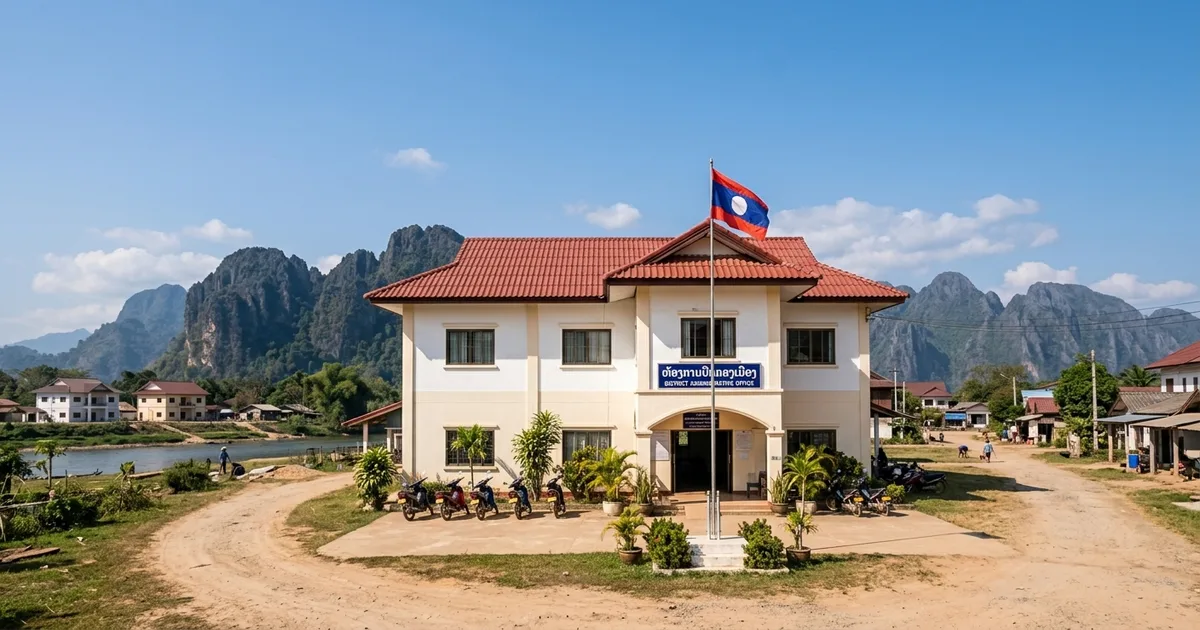
| District / city offices | Accommodation (guesthouses, homestays) and businesses with registered capital of LAK 1 billion (≈US$44,500) or less |
Source: Laotian Times, 9 October 2026, reporting on the Minister's National Assembly remarks.
The stated reason: clarity, plus a crackdown on "zero-dollar" tourism
The announcement frames this as a clarification exercise — making it explicit which office licenses and inspects which type of business, reducing the overlap and ambiguity of the previous structure. Alongside this, the same announcement referenced tightening enforcement on two specific problems: wildlife-related tourism offences, and "zero-dollar" tourism — a model where very cheap or nominally free packages generate their actual profit by steering tourists into commission-paying shops, often at prices well above what a traveler or local business would otherwise charge.
Framed this way, the restructuring is presented as protective: clearer local accountability for small guesthouses and homestays, continued central oversight where foreign investment and cross-border tour operations are involved, and a stated intent to curb practices that divert tourist spending away from legitimate local businesses.
What we couldn't verify
The reporting we reviewed did not name the specific law or decree implementing this change, nor an effective date. We also found no criticism or concern raised in the source material — the announcement is presented without an opposing viewpoint, which we're noting rather than assuming means none exists.
Does this affect your trip?
Based on what's been announced, no — this is a business-licensing and regulatory-oversight reorganization, not a change to how tourists enter Laos, what visa they need, or how they book accommodation and tours. If you're planning a visit, the practical requirements remain what's covered in our visa and arrival guides:
Frequently asked questions
What changed in how Laos licenses tourism businesses? +
Laos is reorganizing which level of government licenses and inspects tourism businesses. The central Ministry of Information, Culture and Tourism keeps oversight of foreign-invested tourism businesses, international tour operators, national tour-guide badges, temporary guest-reception certificates and tour-group leader registration. Provincial tourism departments now handle most tourism businesses within their own jurisdiction. District and city offices oversee smaller operations — guesthouses, homestays, and businesses with registered capital of LAK 1 billion (about US$44,500) or less.
Why is Laos making this change? +
The stated rationale, given by Minister Suanesavanh Vignaket at a National Assembly meeting on 7 October 2026, is to clarify which authority is responsible for licensing and inspecting which businesses — a structural, administrative clarification rather than a change to visitor-facing rules. The same announcement also referenced tightening enforcement against 'zero-dollar' tourism, where cheap packages route visitors to commission-generating shops at the expense of legitimate local businesses.
Does this change anything for tourists visiting Laos? +
Not directly, as far as we could verify. This is a business-licensing and regulatory-oversight change — which government office approves and inspects a hotel, tour operator or guide — not a change to visas, entry requirements or what you book as a traveler. We found no indication in the original announcement that booking processes or consumer protections change for visitors.
What is 'zero-dollar' tourism and why does it matter here? +
It refers to very cheap or nominally free tour packages that profit instead by directing tourists to affiliated shops paying the operator a commission, often at inflated prices — a practice reported in several Southeast Asian destinations. The October 2026 announcement links the licensing restructuring to stronger enforcement against this practice and wildlife-related offences, framed as protecting both travelers and legitimate local tourism businesses.
When does the new licensing structure take effect? +
The source reporting on this announcement did not specify an effective date or cite the specific decree or law involved. We're flagging this as something we couldn't verify rather than guessing a date.